7. Fish Oil and Heart Health: What the Studies Show (And What Most People Miss)

This is the Seventh Article in the Heart Health series.
“One who has unreliable friends soon comes to ruin, but there is a friend who sticks closer than a brother” |
(Pro 18:24, NIV).
Fish Oil is your friend. It can help your heart and your health overall.
The friend in this scripture clearly refers to Christ. He is the only one who sticks closer than a brother. He is everything.
Fish Oil is not quite the friend that Christ is, but it can often help your heart. Read on to find out how.
Introduction
Fish oil may be one of the most studied and most misunderstood supplements available today. In the US, it tends to be treated as just another item on the supplement shelf, but much of the rest of the world has understood its value for centuries — and as we will see, the science is catching up with what many cultures have long known.
In this chapter, we’ll cover why fish oil matters so much for your heart, what the studies actually show, and a few important things you need to know before you just start taking it.
Story
My wife and I were watching a movie recently, and the movie was a historical Scandinavian movie with English subtitles. We were reading the subtitles. Normally, we don’t do this, but this movie had somehow caught our attention.
The time period was sometime during the Middle Ages, likely a little later in the Middle Ages but not too late. The hero of the movie was a young man who was a very good warrior, and as the movie opens, he and his friends are fighting an enemy. They defeat the invaders, but he is injured in the process.
As he enters his home, he loses consciousness from his wounds. His wife dresses his wounds and begins nursing him back to health. He can sip and swallow, but not much more. He is really out of it. She feeds him as much as she can every day from 2 bottles; one of the bottles contains water. What is in the other bottle? Then, after about a week, he begins to revive.

The warrior asks his wife about what she had been giving him, because it had really worked well. He even asks if it had been some strong liquor. She shows him the bottle and tells him she had been giving him fish oil. He says that it is great stuff and that he could really feel his strength returning.
The warrior would go on to save the king as the movie unfolded.
Fish oil is more accepted around the world as good for your health than in the US. Many societies recognize the importance and benefits of fish oil, not only for heart health but also for overall health. Even today, you can buy very good fish oil from Nordic Naturals, originally founded in Arctic Norway. Their fish oil also contains a significant added ingredient, vitamin E.
Too Much?
I described in a previous chapter that my dad saw a holistic doctor, an MD who also had extensive knowledge of nutrients. During his visit, she told him that he really couldn’t eat too much fish oil and that it would always benefit his health. My dad took some for a while, but eventually, he let it slide, took less, started and stopped because of expense, and you get the picture. However, he has taken some over the years, and as I said in the previous chapter, he has never needed another new stent again.

By the way, about three months after seeing the doctor described above, my dad paid a visit to his cardiologist. After seeing that my dad’s numbers were all improving, the cardiologist told him, “I don’t know what you are doing, but keep doing it.”
And, by the way, you really would have a tough time taking too much fish oil. One doctor used to give 9.6 grams of fish oil per day to his bipolar patients, and he had a great deal of success doing so (1). I suppose one could take too much at some point, but it would be a very high quantity, way beyond the quantity of anything you would ever want or need.
We will see that there is an exception to this if you are low in vitamin E. If you are low in vitamin E, then fish oil could potentially be harmful.
Benefits
Study after study has found that fish oil will reduce your risk of heart disease. According to the studies, you can reduce your risk of heart disease by anywhere from 19% to around 43%, depending on how much fish oil you consume.
When a study in Japan used 1.8 grams of fish oil per day on a group of 3,600 people with cardiovascular disease, they found a 19 percent reduction in heart disease, including “…major coronary events compared to the control group” (2,3).
I would like to make a quick comment here. The Japanese people eat a lot of fish. One has to wonder about the control group. Did they tell them not to eat fish during the study? So, one has to ask if the “19 percent reduction” could have been significantly higher if there were better controls in the study. Then again, it might be unethical to tell people not to eat fish!
Another study used 4 grams of fish oil per day on a group of 8,179 patients who had an established history of heart disease and were already on statins. The results were compared with a placebo over a median of 4.9 years. They found that 4g/day cut the risk of heart attack, stroke, coronary procedures, hospitalization for unstable angina, or cardiovascular death by 25%, and there was also a 31% reduction in total major cardiovascular events (4). Of course, if you have been reading the previous chapters in this book, you will understand that the statins were not a factor other than to say that these were heart disease patients.
Again, a question I would pose: did the study examine the subjects’ vitamin E levels? And still they saw a 31% reduction; not bad.

A third study showed a 43% reduction in heart disease. This clinical trial found that dialysis patients who took 4 grams of fish oil daily (containing EPA and DHA) experienced a 43% lower risk of major cardiovascular events — including heart attack, stroke, cardiac death, and vascular-related amputations — compared with those on placebo. The findings stand out in particular because very few treatments have ever successfully lowered heart risk in this high-risk group (5).
Again, what about vitamin E?
Another study by the Harvard School of Public Health showed that taking omega-3s, “‘…lowers plasma triglycerides, resting heart rate, and blood pressure and might also improve myocardial filling and efficiency, lower inflammation, and improve vascular function,’ [and]… the benefits of omega-3s seem most consistent for coronary heart disease mortality and sudden cardiac death” (5).
In the US, it is a known fact that we are 90 percent deficient in omega-3s. “People who lack omega-3s in their diets are at greater risk of heart disease and chronic inflammation. Deficiencies have been linked to a higher prevalence of Alzheimer’s disease and dementia, ADD, violence, depression, and even suicide” (6).
Additionally, people who just eat more fish tend to have a reduced risk of heart disease as well. In 85,000 women followed for 16 years, those eating fish two to four times a week had a 31% lower risk of death from heart disease. A 12-year study of 43,671 men showed those eating fish one to three times a month had a 43% lower risk of stroke compared to those eating fish less than once a month (5).
These studies generally show how good fish oil is for overall heart health, but they do not get into the details that we will unfold as we continue. There is more to the story than just eating your fish oil. Although if you just eat fish oil alone, you will likely see great benefits.
A Little Lesson on Fats
The first thing you should know about the different types of fat is that no food falls completely into one category. In other words, when people say things like butter or lard are saturated fats, this is only a partial truth. What they mean to say is that lard and butter are predominantly saturated fats. Let me explain more.
There are basically 3 general classifications of fats:
- Saturated fats
- Monounsaturated fats
- Polyunsaturated fats
Saturated fats have zero double bonds between their carbon atoms in the fatty acid chain. The carbon atoms are fully saturated with hydrogen. You don’t need to understand this. Just know that these types of fats are the most stable when it comes to human health.
Monounsaturated fats have one double bond. I won’t explain more. These are less stable than saturated fats, but not as unstable as polyunsaturated fats.
Polyunsaturated fats have two or more double bonds, and this makes these types of fats the most unstable.
Another type of fat to be aware of is trans fat. Everyone agrees, including the US government, that this is the really damaging kind of fat that has very bad heart health implications.
I once heard a speech on saturated fats and why they were supposedly bad for our health. The speaker told us that trans fats are bad for us. Then he said that trans fats are saturated fats. He concluded, therefore, that saturated fats are bad for us. The speaker used a classic logical fallacy.
It goes like this… Dogs have four legs. Animals have four legs. Therefore, all animals are dogs. The truth is that saturated fats fall into different categories, and only one of them is a trans fat. Most saturated fats, like the examples I will give in a minute, are beneficial and are not trans fats.
Saturated fats do not readily form free radicals because they have no double bonds. They are healthy and do not need intervention. Read my chapter on eating fats, “Why the Low-Fat Diet Myth Is Hurting Your Heart Health (and What to Eat Instead),” for more information on how fats are good for your health in general.
Monounsaturated fats have only one double bond and therefore are less dangerous. For example, one type of monounsaturated fat is avocado oil, and it is pretty good to cook with because it has a high smoke point and only one double bond. I highly recommend it. However, ghee has a higher smoke point, and I recommend it more. Ghee contains butyric acid, which is a short-chain fatty acid and is great for gut health. Olive oil is another monounsaturated fat and has lots of health benefits that I will discuss in another chapter.
Let’s go back to trans fats. Supposedly, the US has banned the use of trans fat, but has it really?
When you cook with fats, there are two things to keep in mind. First is how unstable the fat is, and the second is the smoke point. Polyunsaturated fats are the most unstable, and this means that they break down more easily into free radicals and then eventually into trans-fatty acids. Each oil you cook with has a different smoke point. This is the temperature at which the oil begins to degrade. All oils degrade at some point. A polyunsaturated fat will degrade the most if you cook with it.
Again, all fat, no matter how good it is to begin with, will turn into trans fat eventually if you cook with the same fat long enough. So, our “ban” on trans fat really doesn’t do much if you have a deep fryer turned on high all day long and you don’t change it for a few days or longer. It is essentially just trans fat unless you happened to use it when it was just changed.
Let’s look at some examples of different types of fats.
Examples of fats that are more saturated are lard, butter, ghee, tallow, etc. All of these fats have been with us for millennia.
Examples of fats that are more monounsaturated are olive oil, avocado oil, walnut oil, almond oil, etc. These oils have been with us for centuries and millennia.
Examples of fats that are more polyunsaturated include canola oil, vegetable oil, and corn oil. These fats were created in the 20th century. Fish oil, on the other hand, is a different type of polyunsaturated fat that has been with us for millennia.
Foods and oils that contain predominantly polyunsaturated fat tend to create free radicals in the body. If you cook with them, they create more. All of these free radicals require more antioxidants, such as vitamin E, to defeat them. This is why these oils lower your vitamin E levels. Even if you read on the internet how high vegetable oil or another seed oil is in vitamin E, the truth is that they are always a net negative.
By the way, the free radicals created also tend to create more free radicals in a chain reaction if there is no vitamin E present. Many Americans are desperately low in vitamin E, and when we consume these polyunsaturated foods, we make it worse, sometimes by a great deal.
By the way, if you have enough of these particular free radicals, your body will tend to make trans fat on its own. That’s right, you make it right inside your own body.
Omega-3 and Vitamin E
Fish oil is very high in a fat known as omega-3. Omega-3 and omega-6 are both polyunsaturated fats. We will talk more about omega-6 in a minute.
Unfortunately, the problem of free radicals applies to fish oil as well because it contains a lot of the polyunsaturated fat, omega-3. So, if you consume a large amount of fish oil and your body is devoid of vitamin E, you will eventually do your body more harm than good.
You need Vitamin E. You really do.
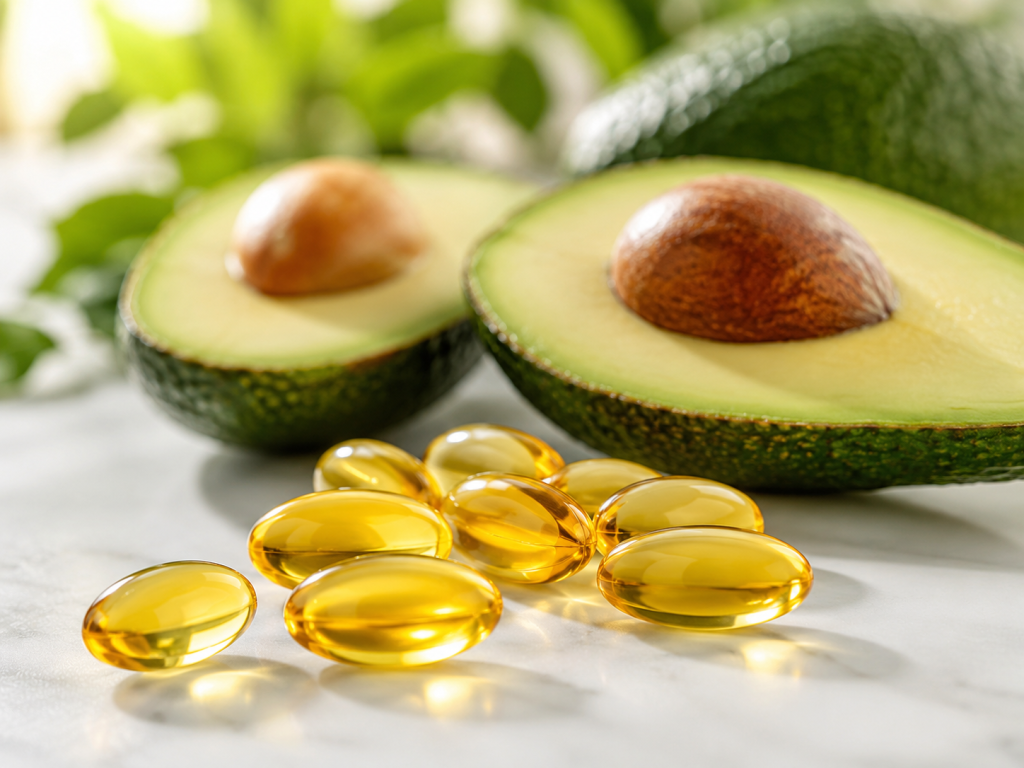
However, if you have enough vitamin E, then the fish oil can be very beneficial for your heart health and overall health. Vitamin E stops the chain reaction of free radical formation and damage.
Now ask yourself this: how many of the studies cited earlier knew that adding vitamin E was crucial? What if they knew this and always added adequate amounts of vitamin E when they gave the fish oil? What percentage of people would have been helped then?
A Few More Words About Fish Oil
When companies manufacture fish oil, much of the vitamin E is destroyed. The normal processing removes all of the vitamin E, and even the cold-press processing removes some. If the oil is filtered for toxins like mercury, then this process likely cleans out what may have been left.
Most manufacturers then add back some synthetic vitamin E and encapsulate the oil in capsules, so that no oxygen touches the oil. This ensures the fish oil does not spoil. However, is there enough vitamin E to account for all the free radicals? The synthetic vitamin E added back is generally meant to preserve the oil, not provide adequate intake for human health. Let’s move on.
For the geeks out there, fish oil contains a lot of EPA and DHA. These are specific kinds of omega-3s. DHA is the most important for human health because this form is used the most directly by the body. EPA is generally converted into DHA, and when it is used, it is also used by the body directly to a lesser extent.
Your brain, in particular, needs a lot of DHA. People talk about salmon being so good for you because it is high in DHA. The DHA in human breast milk is the most bioavailable and will benefit babies the most. Women who consume more DHA when pregnant tend to have more DHA in their milk. Walnuts are 4 times higher by weight in DHA than salmon, and they usually contain no mercury or much less mercury. Farm-raised salmon is generally not as good as wild-caught because of the added chemicals and toxins. Whole Foods Market grocery store has better standards than most, making its farm-raised salmon perhaps better than any wild-caught salmon you can find.
DHA is very beneficial for your brain and heart for many reasons. One reason is that it helps make the cells of the body more pliable and thus allows signals, nutrients, oxygen, and everything else to pass through more easily. This improves both heart health and overall health.
One last thought: the DHA in fish oil is preformed, and this makes it far more efficient and bioavailable than plant-based omega-3 sources like flaxseed, which require conversion.
Bad Omega-6
Omega-6 oil is another type of fat that we consume, and it is also polyunsaturated. You need a little omega-6 in your diet, and this is generally healthy. However, most people in the US consume inordinate amounts of omega-6.
The reason for this is that foods made with omega-6 oils tend to be more shelf-stable than those made with other oils. Breads, crackers, chips, and many other processed foods are often made with omega-6 fats to make them able to sit on the grocery store shelves longer. As Americans, we consume a high quantity of these foods, and so our omega-6 tends to be higher.
The old advice given by most doctors used to be to eat a low-fat diet, and if you eat fat, use vegetable or seed oils. Unfortunately, this advice hasn’t changed much. These oils are high in omega-6. Now, you have omega-6 from consuming the oils directly and omega-6 from all of the processed foods just described.
Omega-6 fats tend to cause inflammation in the body, and a small amount of this is good. For example, it allows our immune system to function properly. However, too much inflammation causes harm in many ways, including affecting your heart and brain.
In a previous chapter, “Why the Low-Fat Diet Myth Is Hurting Your Heart Health (and What to Eat Instead),” I talked about eating fat (and protein) instead of simple carbs like table sugar, pasta, and bread. I said that sugar creates small-particle cholesterol, which is really the only bad cholesterol. So, eat a high-fat diet.
The omega-6 oils would be an exception to this. Even though omega-6 is a fat, it will also increase your small-particle cholesterol, just like simple carbs. You know, the kind of small-particle cholesterol that no doctor ever looks at unless they order a test from Boston Heart or similar.
Listen to what Dr. Bowden has to say about linoleic acid, a type of omega-6. “One research study showed that a diet enriched with linoleic acid increased the oxidation of the small, nasty LDL particles, precisely the cholesterol particles that are most dangerous and most involved in the formation of arterial plaque” (3).
Lastly, after all that bashing of omega-6, there is one exception to this general rule. Many Americans tend to be low in Gamma Linoleic Acid (GLA). This omega-6 happens to be very beneficial for you. Supplementing with Evening Primrose Oil and Borage Oil tends to raise your GLA. GLA, unlike other forms of omega-6, is anti-inflammatory and is usually beneficial.
But keep in mind, omega-6, including GLA, is a polyunsaturated fat and needs to be combined with vitamin E. Without vitamin E, all of the negatives I mentioned above about omega-6 are made worse.
Balance is Important
Lastly, let’s talk about balance – a healthy balance between omega-6 and omega-3. The ratio many consider healthy is around 4 to 1. Anything from 4 to 1 or less is considered good; some say 3 to 1 or 2 to 1 is better. Most people in the US test out around 20 to 1. This means most of us consume 20 times more omega-6 than omega-3 fats, and this is not good. You can get out of balance in the other direction as well, but this is rare today.
Listen to what Dr. Bowden says can be a consequence of this: “Omega-6s and omega-3s compete for the same enzymes, and when omega-6 intake is very high, it wins the competition by default. A high intake of omega-6 reduces the conversion of ALA into EPA and DHA, which might be another reason why high omega-6 diets contribute to heart disease. So not only are those omega-6 fatty acids pro-inflammatory on their own, but they also reduce the body’s ability to produce two of the most anti-inflammatory substances on the planet: the omega-3s EPA and DHA. It’s a double whammy, and your heart is the loser” (3).
Dr. Bowden has a lot to say about a healthy ratio of omega-6 to omega-3. He says too much omega-6 leads to atherosclerosis. “For example, the primary omega-6 fatty acid—linoleic acid—has been shown to increase the oxidation of LDL cholesterol, thus increasing the severity of coronary atherosclerosis” (3).
He says the higher intake of omega-6 means increased death rates from heart disease of all sorts worldwide, and lower death rates are associated with a healthier balance. “And in the famous MRFIT study, subjects with the lowest ratio of omega-6 to omega-3 (i.e., those with the lowest intakes of omega-6 relative to their omega-3 intakes) had the lowest death rate” (3).
New Things to Remember if You’re Reading the Series
- Shute used vitamins C and E and helped 80 to 85% of his patients.
- What if he had added vitamins K2, D3, and magnesium?
- What if he had cut down on people’s calcium and balanced and raised all their minerals?
- What if he had told them to eat a high-fat diet?
- What if he had told them to take all their antioxidants?
- What if he had used fish oil?
- And what if he had remembered that fish oil with vitamin E is way more powerful than fish oil alone and would likely help more than 43% of heart disease patients?
Conclusion and Takeaways
Fish oil is one of the most powerful tools available for protecting your heart, but like most things in nutrition, the full picture matters. Here are a few things to take away from this chapter:
- Study after study confirms that fish oil significantly reduces the risk of heart attack, stroke, and cardiovascular death — with benefits ranging from 19% to 43% depending on the dose and population studied.
- Fish oil is a polyunsaturated fat, which means it is vulnerable to free radical damage. If you are low in vitamin E, taking large amounts of fish oil without correcting that deficiency can potentially do more harm than good. Vitamin E is not optional here.
- DHA is the most critical omega-3 for your brain and heart, and it is already preformed in fish oil.
- Most Americans are consuming omega-6 and omega-3 fats at a ratio of around 20 to 1, when the healthy target is closer to 4 to 1. This imbalance quietly drives inflammation, raises the dangerous small-particle LDL, and actively undermines the body’s ability to produce EPA and DHA on its own.
- Getting the balance right — more omega-3, less omega-6, and enough vitamin E to protect both — is where the real benefit lies.
References
- Larson JM. Depression-Free, Naturally: 7 Weeks to Eliminating Anxiety, Despair, Fatigue, and Anger from Your Life. Westminster: Random House Publishing Group; 2011. 1 p.
- Medscape [Internet]. [cited 2026 Jul 2]. JELIS – Japan Eicosapentaenoic acid (EPA) Lipid Intervention Study. Available from: https://www.medscape.org/viewarticle/518574
- Bowden J, Sinatra ST. The great cholesterol myth: why lowering your cholesterol won’t prevent heart disease– ; and the statin-free plan that will. Beverly, MA: Fair Winds Press; 2015.
- Bhatt DL, Steg PG, Miller M, Brinton EA, Jacobson TA, Ketchum SB, et al. Cardiovascular Risk Reduction with Icosapent Ethyl for Hypertriglyceridemia. N Engl J Med. 2019 Jan 3;380(1):11–22. doi:10.1056/NEJMoa1812792
- Caffrey M. REDUCE-IT: Serum EPA Levels Hold Key to Vascepa’s Dramatic CV Benefits | AJMC [Internet]. 2026 [cited 2026 Jul 2]. Available from: https://www.ajmc.com/view/reduceit-serum-epa-levels-hold-key-to-vascepas-dramatic-cv-benefits
- Hyman M. The UltraMind Solution. New York, NY: Scribner. 450 p.