This is the Eighth Article in the Heart Health series.
“Jesus did many other things as well. If every one of them were written down, I suppose that even the whole world would not have room for the books that would be written” (John 21:25, NIV).
Just as the Apostle John was lamenting the fact that there was too much to say about all the wonderful things that could be said about Christ, who He was and what He did, there is more information that I could tell you about heart health. Obviously, there is much more to say about Christ than there is about heart health, but it is analogous to what I would like to say. There will be just two more chapters, and they will basically be a two-part chapter.
Introduction
By now, if you’ve been following along in this book, you’ve seen some powerful ways to lower your risk of heart disease — and, in some cases, even begin to reverse it. We’ve covered the science of nutrients and what they can do for your heart and your overall health.
In this chapter, I want to turn to a handful of other areas that matter for heart health but haven’t had their own spotlight yet: clearing toxins from the body, the power of real whole food, the role of olive oil, and a few natural compounds — resveratrol, cocoa flavanols, curcumin, and others — that can support healthy blood flow. Each of these topics deserves a deeper dive than I’ll give it here, so think of this as a quick tour rather than the full map. I’d encourage you to research further on your own, especially into areas I won’t have room to cover, like Ginkgo Biloba, Boswellia, Myrrh, and many more.
Toxins and Heart Health
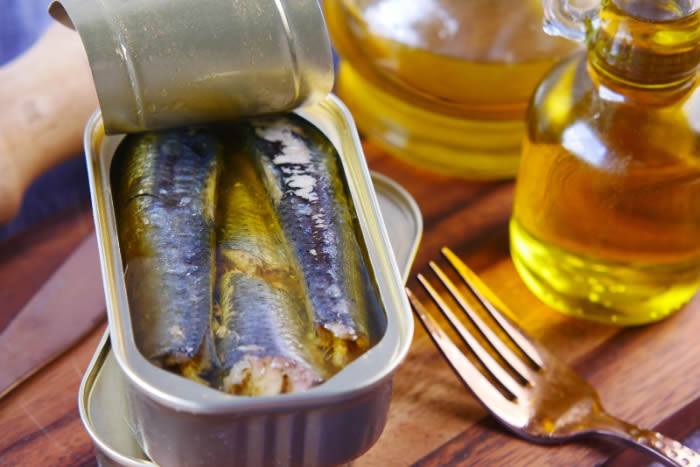
Everyone is worried about mercury specifically, and this is a good poison to be worried about, as it is the second most toxic poison known to man, right behind plutonium. However, fish generally contain a lot more toxins than just mercury, and if mercury is the only one you get rid of, you can still have some pretty toxic fish. And you may wind up with some toxic fish oil as well.
My advice to you is to try to find and buy reputable sources of fish oil and stay away from the cheap big-box store brands. Many manufacturers try to remove mercury when they make fish oil. They generally don’t remove other toxins. Other makers remove even less.
Also, you may want to try to do a detox on yourself now and again. This is good for many health reasons, not just your heart. Your antioxidants should help with this. Also, I would mention baking soda in very small doses, the supplement Arginex made by Standard Process, and other supplements as well.
Regular saunas, infrared saunas, near-infrared saunas, and red-light saunas are some great ways to detox. Your body sweats out the toxins.
Ionic foot baths and regular baths with bentonite clay and optionally baking soda in the bath water can help as well. Be careful with the bentonite clay baths (or, to a lesser extent, the other detox methods as well), as this technique may also remove some of your good minerals at the same time.
Perhaps the worst way to detox is to go to your doctor and ask for chelation therapy. This method may actually be helpful at times, but often it is just way too drastic. If bentonite clay baths remove some good minerals, and they are like an ice cube, then chelation removes way more and is like an iceberg. If you do chelation therapy, take a good multi-mineral, like sea salt, and get a Hair Tissue Mineral Analysis (HTMA) test done to check your mineral levels.
Activated charcoal and activated clay are also helpful, but be careful not to overuse them. Too much activated charcoal will give you constipation, so take it very slowly.
Vitamin C and salt water (made with sea salt) are among the safest ways to detox. Again, don’t overdo the sea salt all at once. And there are many other ways to detox, such as herbal teas and more.
Eating Real, Whole Food for Heart Health
A related subject to detoxification is that of eating right. Once the barriers to healing are removed, the body needs building blocks. And by the way, not only is organic food higher in nutrients, but organic food is also lower in toxins. Many people have overcome many degenerative conditions, not just heart disease, by simply eating right. I want to share a story here that I put in my book on mental illness, Heal Your Brain and Mood Naturally: A Do-It-Yourself Guide. It’s about a guy named Stamatis.
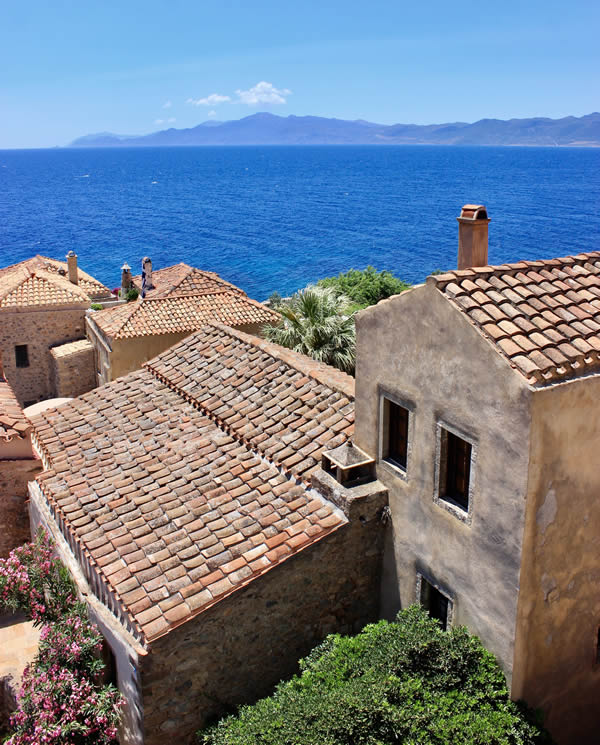
How powerful can the food you eat be? Consider the story of Stamatis Moraitis, a Greek man who was living in Florida and diagnosed with cancer. He eventually decided to go home to the island “where people forget to die.”
“One day in 1976, Stamatis Moraitis of Boynton Beach, Florida, felt short of breath. Climbing stairs was a chore; he had to quit working midday. After reviewing his X-rays, his doctor concluded that Stamatis had lung cancer. As he recalls, nine other doctors confirmed the diagnosis. They gave him nine months to live. He was in his mid-60s” (1).
Nine different doctors confirmed the prognosis. So, Stamatis decided to move back to the island with his Greek relatives, where he grew up off the coast of Turkey. Life was different there and much more relaxing. He decided that this would be a good place to die. One problem: he didn’t die. He just kept living and living and got better and stronger.
Photo by Areti Kr.
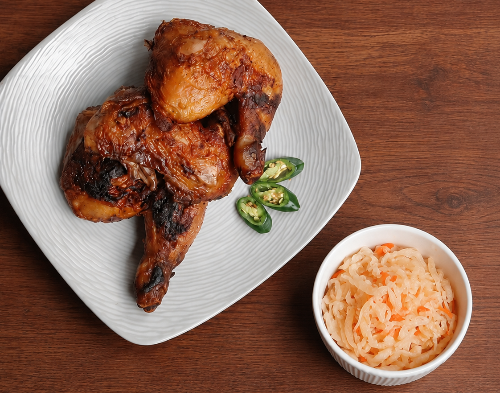
His diet had radically changed to that of the island locals. He was eating natural garden-grown produce, good wine, and lots of freshly caught fish. Fresh non-pasteurized goat cheese, Kalamata olives, and fresh hummus were the name of the game. All kinds of great locally grown herbs were included, and more.
Eventually, after he had lived for another 25 years, he decided to go back to the United States to visit the doctors who said he had lung cancer and who had given him nine months to live. He wanted to ask them to explain his health. They, however, could not answer him because they were all dead!
Stamatis, who was told he was going to die in nine months in his mid-60s, eventually did die on his island home at the official age of 98. According to Stamatis, his actual age was 103 years old. He likely lied about his age to enter the military, so this may not have been an exaggeration.
He did not take any medications to recover. He simply changed his diet and surroundings.
Stamatis had cancer, but you have a heart condition. I know, but the story is still relevant. People have reversed all kinds of conditions from multiple sclerosis to mental health conditions to heart disease and more, through eating a real diet, consisting of natural whole foods devoid of glyphosate, non-GMO food, organic food, grass-fed meats, smaller fish, and freshwater fish when possible.
If you eat real, good food, you will likely help your heart. You will help your overall health as well.
You know from a previous article that this means eating fat. I described this in the article titled “Why the Low-Fat Diet Myth Is Hurting Your Heart Health (and What to Eat Instead).” However, there is a lot more to eating right than just including more fat (and protein). For example, you need to be aware that there are a lot of toxins in our food supply. If you eat better foods, you give the body a chance to recover by avoiding these toxins.
If you eat real, good food, you will likely help your heart. You will help your overall health as well.
You know from a previous chapter that this means eating fat. I described this in the chapter titled “Why the Low-Fat Diet Myth Is Hurting Your Heart Health (and What to Eat Instead).” However, there is a lot more to eating right than just including more fat (and protein). For example, you need to be aware that there are a lot of toxins in our food supply. If you eat better foods, you give the body a chance to recover by avoiding these toxins.
Organic produce has more nutrients than regular produce. For example, organic spinach tends to be high in the healthy mineral zinc. Regular spinach can often be high in the toxic metal cadmium because it tends to absorb it if there is no zinc in the soil. Grass-fed meats are higher in omega-3, usually by 6 or 7 to 1. They tend to have a perfect balance of omega-6 to omega-3 fatty acids.
If you look for and buy organic produce, grass-fed meats, wild-caught fish, or fish that has been farm-raised only from Whole Foods Market, if you don’t eat GMO food of any kind, and if you think about what you are eating, you will likely start to get better.
Stamatis didn’t take any supplements; he simply changed his diet and surroundings. He even drank plenty of real wine.
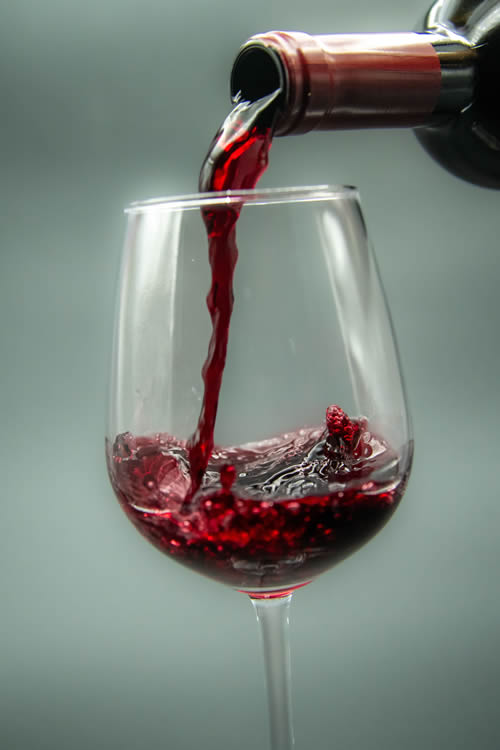
By the way, real wine is made from grapes and grown in organic soil. It doesn’t have added sugar to artificially raise the alcohol level. It has no added yeast, enzymes, sulfites, or sugar. It is way better for you than you might think. But it can be difficult to find here in the US, although it is possible.
All of us can recreate going to the island Stamatis went to, right here in the US, the island where people forget to die. It may be more difficult, but it can be done.Organic produce has more nutrients than regular produce. For example, organic spinach tends to be high in the healthy mineral zinc. Regular spinach can often be high in the toxic metal cadmium because it tends to absorb it if there is no zinc in the soil. Grass-fed meats are higher in omega-3, usually by 6 or 7 to 1. They tend to have a perfect balance of omega-6 to omega-3 fatty acids.
If you look for and buy organic produce, grass-fed meats, wild-caught fish, or fish that has been farm-raised only from Whole Foods Market, if you don’t eat GMO food of any kind, and if you think about what you are eating, you will likely start to get better.
Stamatis didn’t take any supplements; he simply changed his diet and surroundings. He even drank plenty of real wine.
By the way, real wine is made from grapes and grown in organic soil. It doesn’t have added sugar to artificially raise the alcohol level. It has no added yeast, enzymes, sulfites, or sugar. It is way better for you than you might think. But it can be difficult to find here in the US, although it is possible.
All of us can recreate going to the island Stamatis went to, right here in the US, the island where people forget to die. It may be more difficult, but it can be done.
Olive Oil and Heart Health
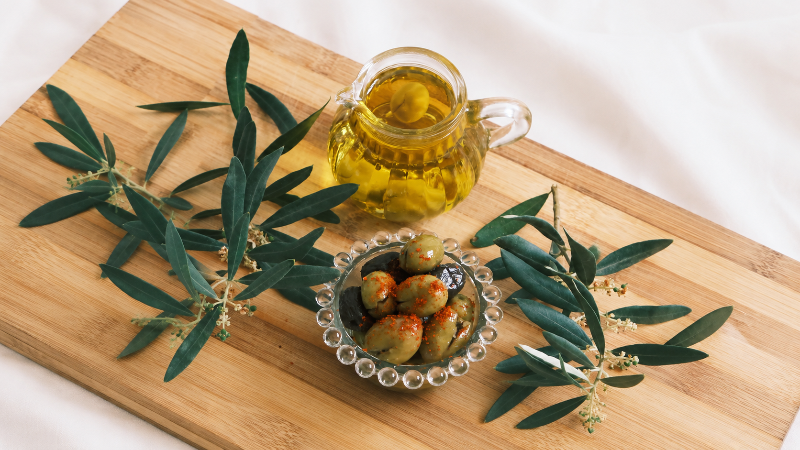
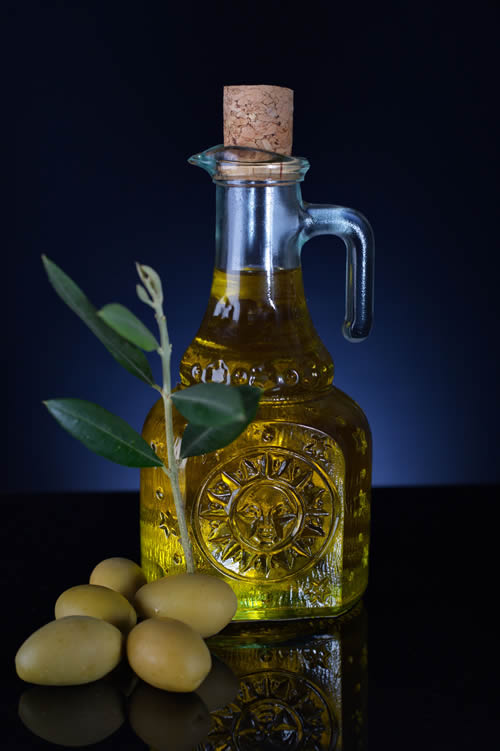
So many positive things could be said about olive oil that it is hard to know where to begin. For example, in southern Europe, like in Greece and Crete, there are significantly lower rates of cardiovascular disease compared to northern Europe. In southern Europe, their diets are “higher in monounsaturated fat (mostly from olive oil) and lower in omega-6 fat” (3, 4).
Photo by Damir Mijailovic
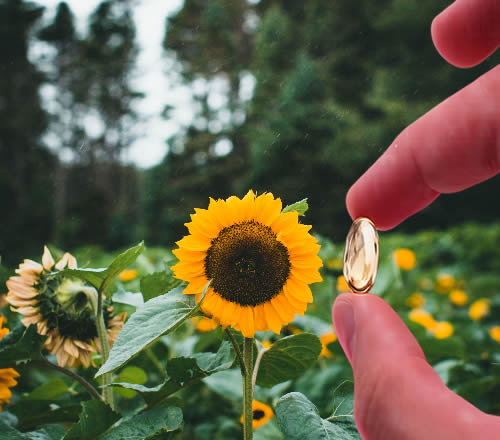
In a study on olive oil for blood pressure, it was found that those on the olive-oil diet reduced their need for blood pressure medications by 48 percent, compared to just 4 percent after being on a sunflower-oil diet. Some patients were able to quit their blood pressure medications completely. Some people on the sunflower-oil diet wound up needing more medications.
“The primary type of fat in olive oil, called oleic acid, has been found to have multiple positive effects on cardiovascular health: it reduces the susceptibility of LDL to oxidation, reduces blood coagulation, and improves blood-vessel function” (4). Not only does olive oil reduce heart disease, including oxidative damage, but it is also known to help with diabetes as well (4).
Resveratrol for Heart Health
Next, consider resveratrol. This is a very powerful phytonutrient with many beneficial properties. I mentioned this one in passing when I was talking about antioxidants. I, in essence, skipped it in favor of other phytonutrients. I want to revisit it now.
Red wine is high in Resveratrol Photo by Andrew Patrick
Resveratrol is best known for helping with aging. Many people take it to live longer lives. However, one thing about resveratrol is the expense. If you want the beneficial effects from it, you may need to pay for it. Resveratrol works best if you take more of it, so there are no clear guidelines. If you have the money, though, it can be a powerful ally. It is very beneficial for the heart and your overall health.
“It helps protect the arteries by improving their elasticity, inhibits blood clots, and lowers both oxidized LDL and blood pressure” (5). It controls and inhibits inflammatory enzymes in the body that contribute to heart disease. “It also inhibits the ability of certain molecules to stick to the arterial walls, where they can take up residence and contribute to inflammation” (5).
Cocoa Flavanols and Heart Health
People who eat chocolate tend to live longer, have healthier hearts, and healthier lives. It can help with blood pressure and increase nitric oxide when needed, and it tends to inhibit atherosclerosis.
The best form of chocolate is dark chocolate, or simply the powdered cacao, perhaps added to your smoothie, for example. More sugar doesn’t help. “Researchers in Germany followed more than 19,000 people for a minimum of ten years and found that those who ate the most flavanol-rich dark chocolate had lower blood pressure and a 39 percent lower risk of having a heart attack or stroke compared to those who ate almost no chocolate” (5).
Other Natural Blood Thinners
There are a number of natural blood thinners. The natural blood thinners do not work by the same principle as the pharmaceutical-grade prescribed blood thinners. That said, it may not be a good idea to mix them. However, you may talk with your doctor about lowering your dose or going off the prescriptions. He will likely fight you, however.
One has to wonder about taking a chemical prescription over all the benefits you can receive from all of these wonderful nutrients. Is the prescription really worth it?
We have already mentioned fish oil in a previous chapter. It is a natural blood thinner. Let’s look at some more.
Curcumin
Many know that curcumin is anti-inflammatory in nature; however, fewer people are aware of what it can do for the heart. It is anti-thrombotic in nature and has many other positive cardiovascular effects. “Curcumin also reduces oxidized LDL cholesterol. In animal studies, it was shown to protect the lining of the artery walls from damage caused by homocysteine. The synergistic relationship of curcumin with resveratrol is especially important” (5).
Vitamin B5
There have been some reports that vitamin B5 will thin your blood and has beneficial effects on cholesterol. I don’t know if this one will help with actual small-particle cholesterol, which is the only type you need to worry about. But it would not hurt to take a little more B5 anyway. This will also help you deal with stress better. You may want to consider taking a balanced B50 complex as well, as sometimes when you take a single B vitamin, you lower other B vitamins a little.
Nattokinase
Nattokinase and lumbrokinase have been reported to help with blood thinning. “They can literally turn your blood from the consistency of ketchup to the consistency of red wine! Best of all, they work pretty quickly, within minutes to hours. If you take these supplements preventively, you may not form clots in the first place” (5).
Conclusion
Toxins, food quality, olive oil, and natural blood thinners may not get as much attention as cholesterol numbers or blood pressure readings, but they quietly shape how well your heart — and the rest of your body — functions every day. None of these is a magic fix on its own, but together they add up. In the next article, I’ll pick up where this leaves off, looking at NSAIDs, organ health, and a few more pieces of the heart-health puzzle.
Key Takeaways
Detox thoughtfully. Saunas, sea salt baths, activated charcoal, and vitamin C are gentler options; be cautious with more aggressive approaches like chelation therapy or frequent bentonite clay baths, which can strip beneficial minerals along with toxins.
Food quality matters as much as food choice. Organic, grass-fed, and wild-caught options tend to carry more nutrients and fewer toxins than their conventional counterparts.
Olive oil is a standout. Its oleic acid content is linked to better blood vessel function, lower blood coagulation, and reduced LDL oxidation.
Natural compounds can support blood flow. Resveratrol, curcumin, cocoa flavanols, B5, and nattokinase each offer cardiovascular benefits worth exploring — ideally in conversation with your doctor, especially if you’re already on blood-thinning medication.
To Be Continued
I will continue this discussion in the next article.
References
Buettner D. Welcome to the Island Where People Forget to Die [Internet]. Reader’s Digest. 2015 [cited 2025 Oct 16]. Available from: https:// www.rd.com/ article/ island-people-forget-to-die/.
Brocato, Robert. Heal Your Brain and Mood Naturally: A Do-It-Yourself Guide. Focus On The Mind, LLC. Kindle Edition.
Ferrara LA, Raimondi AS, d’Episcopo L, et al. Olive oil and reduced need for antihypertensive medications. Arch Intern Med. 2000 Mar 27;160(6):837-42.
DiNicolantonio, Dr. James; Mercola, Dr. Joseph. Superfuel: Ketogenic Keys to Unlock the Secrets of Good Fats, Bad Fats, and Great Health (p. 204). Hay House. Kindle Edition.
Bowden, Jonny; Sinatra, Stephen; Rawlings, Deirdre. The Great Cholesterol Myth + 100 Recipes for Preventing and Reversing Heart Disease (p. 143). Fair Winds Press. Kindle Edition.