9. NSAIDs, Organ Health, and Natural Remedies for Heart Health (Part 2)
This is the Ninth Article in the Heart Health series. This is a continuation of the previous article and the conclusion of the series.
“Beloved, I pray that you may prosper in all things and be in health, just as your soul prospers”
(3 John 1:2, NKJV).
This is why I wrote this series. I pray that you may prosper and be in health. I also pray that you may know Jesus.
Introduction
In the last article, we looked at toxins, real food, olive oil, and a few natural compounds that support healthy blood flow. In this piece, I want to close out a few more important threads: why common pain relievers like NSAIDs may carry hidden risks for your heart, why steroids come with cardiovascular risks of their own, how liver and kidney health tie back to cardiovascular health, and a few practical notes on AFib and blood pressure. As with the previous article, these are quick overviews rather than deep dives — each topic could easily fill an article of its own.
NSAIDs and Heart Disease
Before I talk about Tylenol and other Nonsteroidal Anti-Inflammatory Drugs (NSAIDs), I want to say something about why most people take these pain drugs. We take them for aches and pains, but perhaps the most common reason is for the pain from arthritis.
Before I talk about the NSAIDs, let’s look at arthritis itself. Speaking of rheumatoid arthritis, nutritionist and author Patrick Holford says, “It most often affects fingers, wrists, knees and ankles but can also affect other parts of the body such as heart tissue and muscles” (1). I will discuss in a moment why these NSAIDs are bad for your heart, but here, Holford is telling us that the underlying conditions that cause arthritis may also negatively contribute to heart disease.
It is beyond the scope of this book to describe this process in detail, but I will quickly give you the science and the cure, so to speak. Rheumatoid arthritis is an autoimmune condition. Some other types of arthritis are also autoimmune conditions, and still others are related to autoimmune issues. Let’s briefly look at the science.
According to Dr. Thompson, “On the biologically active end of every protein molecule is a complex monosaccharide receptor. These receptors are quite literally the keys that unlock every biochemical reaction in the human body, ranging from the formation of DNA and RNA to blood type, the creation and action of insulin, the action of all hormones, and every cell membrane receptor. Without the monosaccharide keys and the correctly fitting monosaccharide locks, things just don’t work. Monosaccharide deficiencies are implicated in nearly all abnormal autoimmune responses whereby immune molecules, called immunoglobulins, become abnormal immunoglobulins” (2).
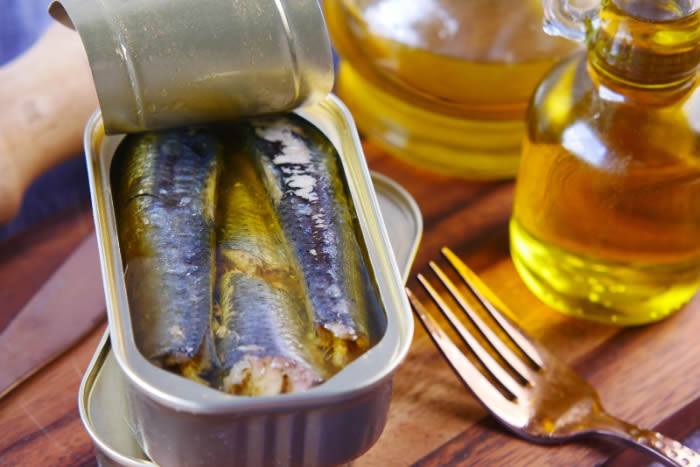
To cut to the chase, the human body needs 6 of these simple sugars called monosaccharides to thrive and be able to overcome your arthritis and other autoimmune conditions. Four of them are found in natural maple syrup (galactose, mannose, glucose, and fructose). You can get the other two from eating a stalk of celery every day and a sardine. Xylose is found in celery, and ribose is high in sardines. There are other sources of these monosaccharides as well.According to Dr. Thompson, “On the biologically active end of every protein molecule is a complex monosaccharide receptor. These receptors are quite literally the keys that unlock every biochemical reaction in the human body, ranging from the formation of DNA and RNA to blood type, the creation and action of insulin, the action of all hormones, and every cell membrane receptor. Without the monosaccharide keys and the correctly fitting monosaccharide locks, things just don’t work. Monosaccharide deficiencies are implicated in nearly all abnormal autoimmune responses whereby immune molecules, called immunoglobulins, become abnormal immunoglobulins” (2).
To cut to the chase, the human body needs 6 of these simple sugars called monosaccharides to thrive and be able to overcome your arthritis and other autoimmune conditions. Four of them are in natural maple syrup (galactose, mannose, glucose, and fructose). You can get the other two from eating a stalk of celery every day and a sardine. Xylose is found in celery, and ribose is high in sardines. There are other sources of these monosaccharides as well.
On the other hand, taking NSAIDs can increase your risk of heart disease. Dr. Holford reports this: “As a study published in 2005 shows, other NSAIDs, including ibuprofen, can also raise the risk of heart attacks, although not by as much as Vioxx. A study in Spain in 2006 showed that NSAIDs can increase the risk of heart failure by 30 percent” (1).
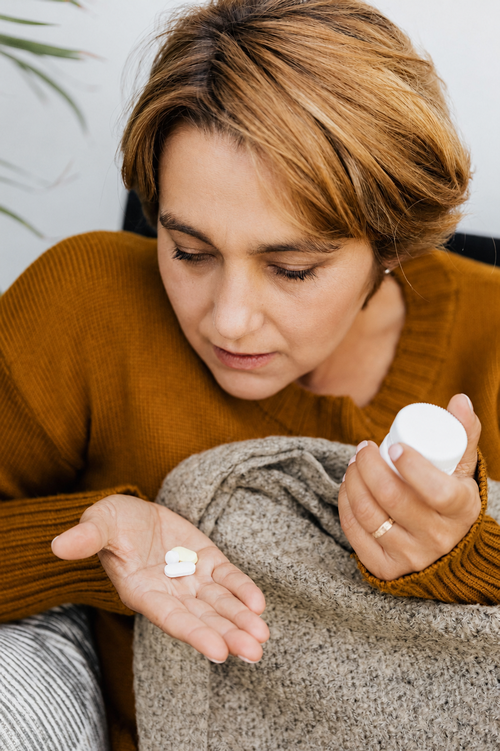
Not all NSAIDs hurt the heart in the same way. Again, it is beyond the scope of this book to go into the details, but COX-1 and COX-2 are important human enzymes that have a lot to do with how we feel pain. The body needs these two enzymes to have a specific balance with each other. All NSAIDs mess with the body’s natural balance between COX-1 and COX-2 in different ways. When these two enzymes are out of balance, the heart suffers. This is an oversimplification of what is going on, but it is a pretty good summary.
Differing NSAIDs affect the body in differing ways, including reducing overall vitamin C levels, damaging the liver, lowering glutathione levels, causing microbleeds, causing ulcers, causing nausea, causing vomiting, and much more. They all also increase your risk of heart disease, both directly and indirectly. When they mess with the balance of COX-1 and COX-2, they directly affect heart health. When they damage your liver or kidneys, they contribute to heart disease indirectly.
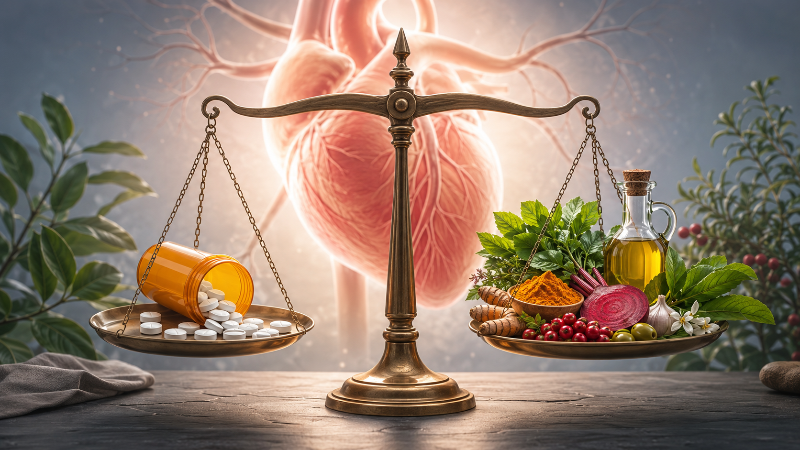
A better alternative to taking an NSAID is to use a more natural painkiller. Some of the more common painkillers are white willow bark, Boswellia, curcumin (or turmeric), olive oil, fish oil, and several others.
Steroids and Heart Health
The Minister of Finance in England died of a massive heart attack on April 10, 2014. Jim Flaherty’s death brought public attention to the very real potential dangers of steroids to heart health. Mr. Flaherty had recently been given a steroid, Prednisone, to help with an autoimmune condition he was suffering from — then came the heart attack and death.
He was started on the steroid, Prednisone, in January of 2013 to help with a skin condition he was having. A recent study in England showed that there was a seven-fold increase in Acute Coronary Syndrome associated with regular steroid use after 7 days (3).
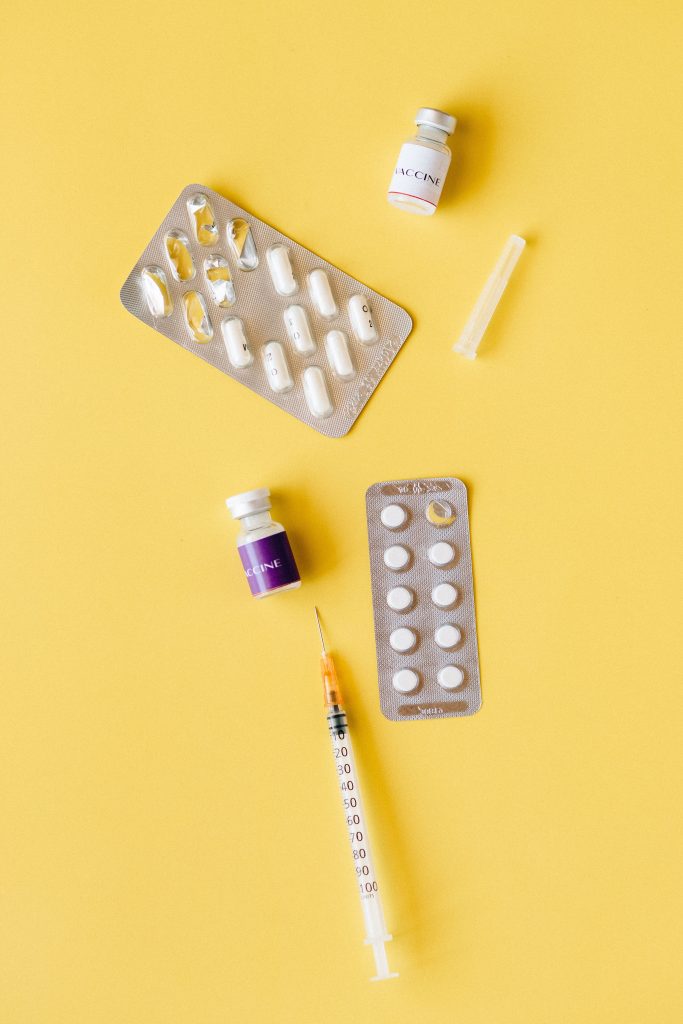
If you believe that steroids are a good way to help your pain from arthritis, your pain in general, or for treating other conditions, you may be sadly mistaken. Perhaps looking into natural alternatives to steroids is in order.
I already told you about some natural solutions to inflammation in general when I talked about white willow bark, Boswellia, and others. I already gave you a way to help with autoimmune conditions by eating all your monosaccharides. However, I want to add a few more thoughts.
If you feel the need to use steroids, there may be some alternatives that will work better without all of the nasty side effects: a seven-fold increase in “Acute Coronary Syndrome” (i.e., heart attack or heart failure, and such.) Let’s begin to look at alternative solutions for reducing inflammation naturally.
Niacinamide (a form of vitamin B3) has been known to help with arthritis. Other B vitamins may help as well, and if you increase one B vitamin, you may also need to increase them all — this is because when you raise one, the others tend to drop a little. It is safe to take several thousand mg of Niacinamide and perhaps a B50 once or twice per day. Start small, like 500mg and one B50 pill per day. This is a gentler approach than steroids for many people.
Another option that many doctors used to rely on, but has largely fallen out of use over the years, is natural bovine, hog, or lamb adrenal extract. This can often provide relief similar to more powerful steroids without the same negative side effects.
After the introduction of chemical steroids, doctors gradually moved away from these older, natural adrenal products. However, using a steroid such as cortisone can weaken the body’s own adrenal glands and contribute to a range of side effects, including heart-related concerns. Natural adrenal support, by contrast, works with the adrenal glands rather than suppressing them — which is one reason people dealing with adrenal burnout often respond well to it. It supports healing instead of further depleting the glands.
There are other natural ways to stop inflammation, fight pain, and help the body fight autoimmune conditions. This is just a brief overview — one that opens the door to further research.
Healing Other Body Organs Can Help as Well
This has already been stated and implied throughout this chapter and in other chapters in this book, but when your major body organs suffer, then you can have an increased risk of heart disease. For example, diabetes is more of a kidney disease than a heart disease, but you are kidding yourself if you don’t believe that diabetes is a leading cause of the onset of heart disease. It is.
Healing your kidneys and liver will not only help your heart, but it will contribute to your overall health as well.
Liver Disease
To help your liver, you can try a liver detox such as the one found in my book on healing from mental illness naturally, Heal Your Brain and Mood Naturally, A Do-It-Yourself Guide. Here are some highlights that you can try.
You can often heal your liver by just taking alpha lipoic acid. The fact of the matter is, many people waiting on a liver transplant have overcome liver disease by just taking alpha lipoic acid regularly. Many didn’t need a transplant; they just needed lipoic acid.
If you add the supplement Arginex, made by the company Standard Process, then you will increase your chances of healing your liver. Arginex is usually best taken as one pill, three times a day for 90 days. You may need to vary your approach.
Again, there are many other ways to heal your liver.
Kidney Disease (Including Diabetes)
As for healing your kidneys, you can do everything stated above for the liver and then add another step as well. Take baking soda. The process is this. You should take baking soda until you have raised your body’s pH level to 7.4 (a child should be at 7.5).
The first thing you need to do is buy test strips to test your saliva pH levels. Don’t get the kind that only tests your urine pH levels. Some kinds test either urine or saliva pH. Use this kind to test your saliva. Saliva pH is more reflective of your body’s blood pH, which is what we are after.
Test your saliva pH often as you take baking soda. Stop when you reach 7.4.
Take ¼ tsp of baking soda per day for 14 days. Then stop for 14 days. Repeat until you reach 7.4.
Other Things
AFib
Also, note that AFib is not usually associated with plaque buildup on the arteries, but the two conditions (plaque buildup and AFib) can be deadly, and most would agree that the combination of the two is what often leads to stroke. I have found that the best way to combat AFib is with sea salt and electrolytes. If you consistently keep up your electrolytes and all your minerals through sea salt, you are unlikely to continue to have AFib.
Get an HTMA test done and go to work raising your minerals. And remember, your electrolytes tend to leave the body faster than the other minerals. The seven electrolytes are sodium, potassium, calcium, magnesium, chloride, bicarbonate, and phosphate. Most of us are already high in calcium, so be careful with this one in particular, and get your minerals tested. Take more electrolytes in general than the rest of your minerals.
What Helps Blood Pressure

I’m not getting into the science of blood pressure in this book. I’m only going to list a few natural herbs that could help. Beetroot, hawthorn, berberine, hibiscus, artichoke, and ashwagandha are very helpful, as are turmeric, olive oil, fish oil, Boswellia, and many more.
Also, if you read my chapter on eating fat titled “Why the Low-Fat Diet Myth Is Hurting Your Heart Health (and What to Eat Instead),” you will know one pretty good way to lose weight, and losing weight tends to really help with blood pressure.
Conclusion
Heart health rarely comes down to just one factor — the heart doesn’t operate in isolation from the liver, kidneys, or the rest of the body’s systems. Managing pain without leaning too heavily on NSAIDs, supporting organ health, and keeping electrolytes and blood pressure in check are all pieces of the same picture. That brings us to the end of this two-part discussion and to the end of the book as a whole. In the book conclusion below, I’ll pull together the biggest lessons from all nine chapters.
Key Takeaways
- NSAIDs carry cardiovascular trade-offs. Regular use has been linked to increased heart attack and heart failure risk; natural alternatives like white willow bark, Boswellia, and curcumin are worth discussing with your nutritionist or functional medicine practitioner.
- Steroids carry their own cardiovascular risks. Regular steroid use has been linked to a sharp rise (sevenfold) in Acute Coronary Syndrome risk; natural alternatives like niacinamide, B-complex vitamins, and natural adrenal support are worth discussing with your nutritionist or functional medicine practitioner.
- Organ health and heart health are connected. Liver and kidney function play a bigger role in cardiovascular risk — including diabetes-related risk — than many people realize.
- Electrolytes matter for heart rhythm. Keeping sodium, potassium, magnesium, and other electrolytes balanced may help support a healthy heart rhythm.
- Blood pressure has natural allies. Beetroot, hawthorn, berberine, ashwagandha, turmeric, and olive oil are among the options that may help, alongside weight management.
References
- Holford BSc DipION FBANT, Patrick. Say No To Arthritis: The proven drug-free guide to preventing and relieving arthritis (Optimum Nutrition Handbook) (p. 4). Little, Brown Book Group. Kindle Edition.
- Thompson, Robert; Barnes, Kathleen. The Calcium Lie II: What Your Doctor Still Doesn’t Know (p. 193). Take Charge Books. Kindle Edition.
- Thomas K, Schonmann Y. Orthopaedic corticosteroid injections and risk of acute coronary syndrome: a cohort study. Br J Gen Pract. 2021 Jan 12;71(703):e128–33. doi:10.3399/bjgp20X713945 PubMed PMID: 33431383; PubMed Central PMCID: PMC7805411.

Series Conclusion
In this series, we’ve looked at several ways you can improve your heart health — and possibly reverse damage that mainstream medicine tells you is permanent.
- Shute used vitamins C and E and helped 80 to 85% of his patients.
- What if he had added vitamins K2, D3, and magnesium?
- What if he had cut down on people’s calcium and balanced and raised all their minerals?
- What if he had told them to eat a high-fat diet instead of a low-fat one?
- What if he had told them to take all their antioxidants — not just E and C, but CoQ10, alpha lipoic acid, and glutathione too?
- What if he had used fish oil in the right ratio with omega-6?
- What if he had remembered that fish oil with vitamin E is far more powerful than fish oil alone and would likely have helped more than 43% of his patients?
- What if he had helped his patients pull toxins out of their bodies and pointed them toward real, whole food instead of the processed food most of us grew up on?
- What if he had looked at the NSAIDs sitting in their medicine cabinets, and at their livers and kidneys, and treated the whole person instead of just the heart in front of him?
Dr. Shute never got to ask these questions. He worked with what he had, and what he had — vitamin E and vitamin C — still helped the overwhelming majority of the more than 35,000 patients who came through his clinic. Imagine what those numbers might have looked like with everything you’ve just read added to the mix.
That’s really what this book has been about. Not one supplement, not one silver bullet, but the accumulation of small, well-informed choices: the right form of vitamin E, minerals in balance instead of calcium alone, real food instead of the low-fat substitutes we were handed, antioxidants working as a team, fish oil paired with vitamin E, and a body freed from the burden of toxins, unnecessary NSAIDs, and overworked organs.
None of this is complicated. None of it requires a prescription. Most of it costs less than a single co-pay. And yet, as I said at the very start of this book, “my people are destroyed for lack of knowledge” (Hos. 4:6). Not because the knowledge doesn’t exist — but because it’s been buried, discouraged, or quietly written out of the conversation by people and institutions with every incentive to keep it that way.
Around one million Americans will die this year from hardening of the arteries and the conditions it causes. Next year, the number will likely be much the same. It doesn’t have to be. You now have nine chapters’ worth of reasons to believe that, and — more importantly — nine chapters’ worth of specific, actionable steps to do something about it.
I am someone who believes you deserve to have this information in your hands, free of charge, so you can make an informed decision about your own body and your own life. If this book has helped you, please pass it on. Somebody you know is probably taking a statin, a daily NSAID, or a calcium supplement right now, quietly assuming it’s helping them. They may not know there’s another way.
You do now.
To download the entire book Click Here.
Photo and Image References
- Many of the photos and illustrations were downloaded from https://www.pexels.com/.
- One photo came from https://unsplash.com/.
- ChatGPT.ai generated the photos of Thompson and Shute and a few others.
- Gemini.ai generated the photo of Hoffer.
- All other photos were owned by the writer or used with full permission.