6. Antioxidants and Heart Health: How Free Radicals Damage Your Heart (And How to Fight Back)

This is the Sixth Article in the Heart Health series.
“When the servant of the man of God got up and went out early the next morning, an army with horses and chariots had surrounded the city. ‘Oh no, my lord! What shall we do?’ the servant asked. ‘Don’t be afraid,’ the prophet answered. ‘Those who are with us are more than those who are with them.’ And Elisha prayed, ‘Open his eyes, LORD, so that he may see.’ Then the LORD opened the servant’s eyes, and he looked and saw the hills full of horses and chariots of fire all around Elisha” (2Ki 6:15-17, NIV).
Many things go on around us all the time that we can’t see. In this scripture, there was an army from heaven protecting the prophet Elisha and his servant. It was a very real and very powerful army! One angel of God destroyed the entire army of Sennacherib, King of Assyria, 185,000 men. How many could an entire army of angels destroy, armed with fiery horses and chariots?
Inside our bodies, tiny microscopic battles happen all the time, invisible to the naked eye. Antioxidants could be likened to angels at work in our body. While these antioxidants are not supernatural in nature, they are our friends, and they can often help us.
Introduction
In this article, we talk about free radicals — those unstable, electron-hungry molecules that quietly damage your body, including your heart and arteries. But knowing the problem is only half the battle. The other half is knowing how to fight back.
That’s where antioxidants come in. Think of them as your body’s defense force — molecules that step in front of a free radical and offer up an electron before that free radical can steal one from your cells, your DNA, or your artery walls. But not all antioxidants are created equal, and not all are equally important for your heart.
In this article, we’ll break down what antioxidants actually are, introduce the five major antioxidants your body relies on, and look closely at which ones matter most when it comes to protecting your heart — whether you’re trying to prevent a heart attack or stroke or recovering from one. We’ll also talk about how these antioxidants work as a team, with a few practical tips along the way.
What Is a Free Radical and an Antioxidant?
To know what an antioxidant is, you first have to know what a free radical is. Antioxidants defeat or help control free radicals.
First, not all free radicals are bad. Some are necessary for proper bodily function; however, even these can get out of control. An example of this type of free radical is nitric oxide. You need some nitric oxide in your body, and it is beneficial, but if it gets out of control, it can damage more than help.
It should be noted that sexual arousal is due in part to healthy levels of nitric oxide. Our immune system uses nitric oxide to help fight viruses and bacteria. Only when nitric oxide gets out of control does it have a negative effect on human health.
That said, there are a lot of free radicals in the body that are mostly bad or all bad. You need antioxidants to defeat these bad guys and help control the more friendly ones, like nitric oxide.
A free radical is an atom or molecule (or sometimes a charged atom or molecule, otherwise known as an ion) that has an unpaired electron in its outer shell. These molecules or atoms may technically be uncharged, positive, or negative; however, the key point is that they want to grab an electron from somewhere else.
An antioxidant is a molecule that lends an electron to defeat a free radical. When it lends the electron, technically it becomes a free radical itself; however, the newly created free radical will not damage the body, or the damage will be very negligible.

Free radicals damage the body because they look for different ways to steal electrons. If there is no available electron to steal from an antioxidant, then the free radical will steal one from the body and cause damage to the body. This can happen anywhere – in the skin, in the brain, in the heart, and elsewhere. It can happen in the mitochondria, in the cell membrane, or in some other part of the cell – anywhere. The resulting damage accumulates, and people eventually suffer and die.
Five Major Antioxidants in the Body
The body uses five major antioxidants to defeat all these free radicals. Again, they fight all the free radical damage that can happen anywhere.
The body makes three of these. The other two are vitamin E and vitamin C. The three just mentioned are alpha lipoic acid, CoQ10, and glutathione. Generally, though, the body doesn’t make enough of these three, and this is especially true as you age (1). Other lesser antioxidants are more or less often covered by these 5 major players. And then, besides the lesser antioxidants, I would classify a third group of antioxidants, and these are called phytonutrient antioxidants.
For an example of a lesser-known antioxidant in the body, consider superoxide dismutase. One common free radical in the body is superoxide. Superoxide dismutase defeats superoxide. However, vitamin E also defeats superoxide. So, you don’t need to take both. Vitamin E also does many other things in the body besides just defeating superoxide. Superoxide dismutase just defeats superoxide.
This example could be repeated with other free radicals and antioxidants. The 5 major players cover most things, and there is little need in most cases to take the lesser antioxidants.
The other classification of antioxidants I mentioned above is generally more beneficial for you than the lesser antioxidants. They are generally considered to be phytonutrients, though not all phytonutrients are antioxidants. Some of the more beneficial phytonutrient antioxidants include resveratrol, quercetin, green tea catechins, carotenoids, and flavonoids (1). There are others as well.
Free Radical Damage and the Heart
Let’s look at some of the ways free radicals can damage the heart. There are other ways besides what I will mention.
Free radicals can damage the heart by contributing to the increase in hardening of the arteries. They make the plaque build-up worse and contribute to the formation of clots; they can damage the artery itself, making it stiffer or contributing to a rupture. They can contribute to oxidative stress, which is associated with raised blood pressure, among other things. And they can do more.
I want to tell a brief story here. My dad had angina and a significant blockage in the main artery (coronary) of his heart. His doctor put in a stent. Over the years, he has had six other stents that included the other 3 major arteries. Eventually, they put him on 3 different permanent blood thinners. First, he was started on warfarin. After a bad reaction to warfarin, he was put on Plavix and a baby aspirin. Later, they added Eliquis as well. He wasn’t taken off the other two blood thinners, so now he had all three.

Eventually, he wound up with a lesion in his digestive system. He wound up with a microbleed so bad that he has chronic anemia. At one point, the doctors gave him 2 transfusions and several doses of iron. Similar procedures have been done multiple times now. Today, he has a chronic microbleed, chronic anemia, and chronic atrial fibrillation. He also still constantly gets iron infusions.
Just as a side note: iron is a vitamin E antagonist and increases the body’s need for E. Also, if an aspirin is given to a person and causes a microbleed in the digestive system, there is a greater risk of new fissures in the arteries as well.
Long ago, after his last stent, my dad was given some supplements that included some of the antioxidants we are talking about here by a very good holistic doctor who was also a regular MD: alpha lipoic acid, CoQ10, and vitamin C. He has not had a new stent since. However, he has not always been faithful because he didn’t realize how beneficial it would have been to stick with the program. He has been in and out, or you could say off and on. Lately, he has improved and is taking his supplements more faithfully, and he has added vitamin E as well.
If you have a stroke or heart attack, there is a restriction of blood flow, causing the body to make even more free radicals. And, as the body tries to recover, a flow of blood rushes back into the brain or heart. This flow of blood usually contains an overabundance of these free radicals that are largely responsible for the damage done to the surrounding tissues. It can damage cell membranes, mitochondria, DNA, proteins, and more (1). All this damage increases your need for antioxidants.
Heart Health Antioxidants
To get to the meat of it, the best antioxidants to take for heart health are:
- vitamin E
- CoQ10
- lipoic acid
- vitamin C
as well as the phytonutrients of the families of
- carotenoids
- flavonoids
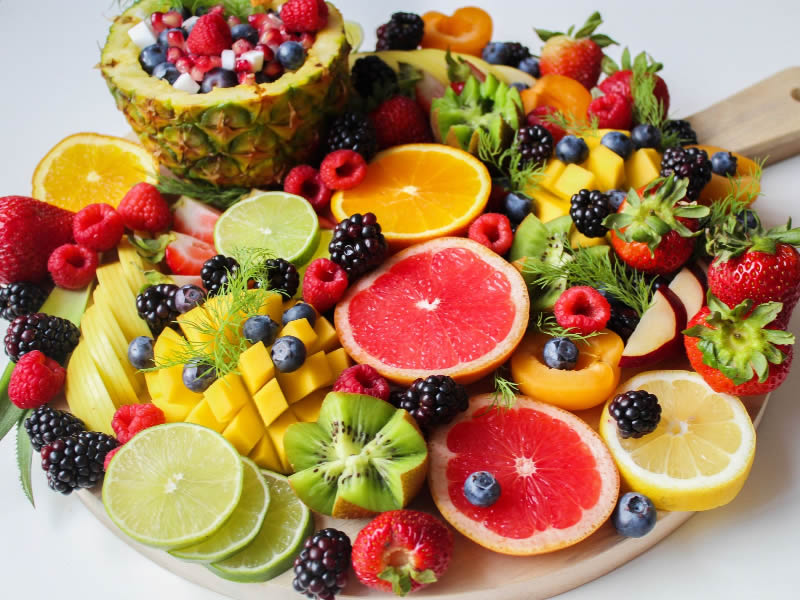
Examples of carotenoids may be alpha carotene, beta carotene, lycopene, zeaxanthin, and lutein. Examples of flavonoids may be ginkgo biloba and pycnogenol. This is not a complete list of either flavonoids or carotenoids.
Dr. Shute claimed that 80 to 85 percent of his patients improved or greatly improved with just vitamins E and C (2). He generally didn’t know about the rest of the antioxidants and what they can do for the heart. Also, when he talked about vitamins E and C, Dr. Shute may not have considered them as antioxidants per se.

Remember, a nutrient is not a drug. A nutrient can work as an antioxidant and help in other ways as well. When a vitamin is working as an antioxidant and when it is just helping in other ways can be a very difficult concept to describe. We don’t really need to know anyway.
When you consider all the different ways free radicals can damage the heart, and knowing there is a greater list than the partial list above, you can deduce that there would be great benefit in taking all the antioxidants that can help the heart.
And really, your heart would benefit from taking all five of the major antioxidants by taking liposomal glutathione as well. I will cover why in a second. So, take all of the above, and add in glutathione.
Vitamin E is the best antioxidant for the heart, and CoQ10 would likely be second best for the heart. We have already covered many of the benefits of vitamin E. As for CoQ10, it is known that CoQ10 helps considerably in cases of heart failure. It is also well known that statin drugs can reduce CoQ10, so replacing lost CoQ10 is of great benefit as well.
Alpha lipoic acid helps with oxidative stress, and it helps prevent strokes and heart attacks. It is also the best antioxidant to take if you are having a stroke or heart attack, or recently had a heart attack or stroke, to minimize the damage. Additionally, alpha lipoic acid helps prevent and reverse diabetes and some of the damage done by diabetes. Diabetes is a known contributor to heart disease as well as a killer in and of itself.
Vitamin C greatly enhances the effectiveness of all of these antioxidants and also helps with fighting heart disease directly as well.
The flavonoids and carotenoids work well with vitamin C, and together they fight heart disease better.
Helpers
IIt should be noted that there are some really great antioxidant helpers as well. These guys help antioxidants so well that people often list them as antioxidants. These are not antioxidants, but they do help them greatly. Two of the best helpers are selenium and melatonin. Selenium should be kept in balance with iodine. This will be explained a little more below. Melatonin may be taken at whatever level a person can tolerate. This will vary from person to person.
A Network of Health
Antioxidants tend to work well together. This is especially true for the five major antioxidants just mentioned above. For example, after vitamin E defeats a free radical and then becomes a less damaging one itself, vitamin C comes along and lends an electron to the free radical E, turning it back into an active antioxidant again (1).
In this manner, they all tend to build each other up. Alpha lipoic acid tends to increase vitamin C and E. Vitamin C can increase glutathione, vitamin E, and more.
This is one of the reasons why you should add glutathione to your daily regimen, even though it will directly benefit the heart the least.
Another reason is this. Even if glutathione doesn’t directly contribute as much to heart health, it does contribute to your overall health. As your overall health improves, so will your heart.
This is true of all antioxidants. They all improve your health in more ways than by helping just your heart and arteries. As your overall health benefits from antioxidant effects, your heart will also improve.
Glutathione
One thing about taking glutathione that you need to be aware of is that you can’t take it in its regular form. You can’t digest it properly and utilize it. This won’t stop people from selling you a meaningless supplement. Some manufacturers make it and sell it. It needs to be taken as liposomal glutathione, a paste that you hold under your tongue, or some other absorbable form.
Another way to increase glutathione in the body is to take N-acetylcysteine (NAC). Generally, NAC is cheaper than most of the absorbable forms of glutathione, and in many cases, it will help the body make more glutathione. This works for most people.
However, a small group of people will not benefit from the raised glutathione by taking NAC. For example, my wife has a genetic condition where her body has difficulty making glutathione from NAC. So, my wife takes liposomal glutathione.
As a side note, occasionally my wife takes NAC for other reasons. Remember, from a previous chapter in this book, that nutrients aren’t drugs. They can have multiple benefits for the body at the same time. She sometimes has sinus or respiratory issues, and NAC helps with this. So, she is not making much glutathione from it, but she can still benefit from it.
A Word About Tocotrienols
I said earlier in this book that people benefit from regular alpha-tocopherol vitamin E, and I stand by this statement. However, that said, there may be some benefits to the other forms of the vitamin E molecule as well. If you can afford it, you may benefit a little more from tocotrienols.
For example, there was a study done by cardiologist Dr. Marvin Bierenbaum of the Kenneth L. Jordan Heart Foundation in Montclair, New Jersey, on tocotrienols, among other forms of vitamin E, for various things. I’m not sure which tocotrienols were included in the study. However, the four-year study included a placebo group given nothing and a group given tocotrienols.
The study concentrated on what happened to patients who were diagnosed with carotid stenosis (a narrowing of the carotid artery) and were at high risk of stroke. “The good news is that tocotrienols may be a safe alternative to surgery for patients with carotid stenosis. In a four-year study, patients with severe carotid stenosis were given either tocotrienols or a placebo. Each patient’s progress was measured by an ultrasound examination, which produces a picture of the carotid artery. Ultrasound scans of the patients were performed at six months, twelve months, and yearly thereafter. The results were quite remarkable: 94 percent of the patients receiving tocotrienols improved or stabilized, whereas none of the controls improved, and over half got worse” (1).
A Tip for Diabetes
As was stated previously, diabetes is a direct killer, and it may also contribute greatly to an increased risk of heart disease. I mentioned taking alpha lipoic acid as a great help for diabetes, but I thought I would mention a few other positive aids in helping to fight diabetes (3).
The number one herb supplement I would recommend is guggul. It is from India and is a great aid in controlling blood sugar, proving more helpful than metformin and other drugs in fighting diabetes, and also in helping the thyroid. Arginex from Standard Process is a powerful aid to the kidneys and liver. Our naturopath once told my wife, “Take Arginex three times a day for 90 days. You’ll get better.” She did so and got better. Other things to take include magnesium, cinnamon, and more. If your diabetes improves, so may your heart.
What We Have Learned So Far
We know Dr. Shute used to give his patients vitamins E and C. He saw an 80 to 85 percent reduction, or great reduction, of symptoms with just this.
- What if he had added vitamins K2, D3, and magnesium?
- What if he had cut down on people’s calcium and leveled and raised all their minerals?
- What if he had told them to eat a high-fat diet?
- What if he had told them to take all their antioxidants?
What do you suppose may have been his numbers then?
Antioxidant Guidelines
Remember, everyone is different, but for a general heart health guideline, this chart may get you in the ballpark.
Morning
- 800 IU of alpha tocopherol
- Up to 300 mg alpha lipoic acid
- 100 mg CoQ10 as ubiquinol or 300 mg CoQ10 as ubiquinone
- 500 to 1000 mg of liposomal glutathione
- 2500 mg liposomal vitamin C (or more, remembering your bowel tolerance)
Evening
- 800 IU of alpha tocopherol
- 200 mg of tocotrienols (if you can afford it)
- Up to 300 mg alpha lipoic acid
- 2500 mg liposomal vitamin C (remembering your bowel tolerance)
- 20 mg Pycnogenol
- 30 mg ginkgo biloba
- 200 mcg selenium and 25 mg of iodine
- 5 to 10 mg melatonin at bedtime (Not everyone can take melatonin)
Note: When you first start supplementing with iodine, you may feel ill. This is because iodine is detoxing your body and pulling the toxins from your deeper tissues and dumping them into your bloodstream. Selenium will help with this process and make you feel even more ill. Taking more vitamin C and salt water may help. Salt water should be taken twice a day at ¼ tsp of salt per 16 ounces of water. Use sea salt.
Conclusion
When it comes to protecting your heart, free radicals are working against you every day — quietly contributing to plaque buildup, stiffening arteries, and raising your risk of a clot or rupture. The good news is that your body isn’t defenseless. With the right combination of antioxidants — vitamin E, CoQ10, alpha lipoic acid, vitamin C, and glutathione — along with supporting phytonutrients like flavonoids and carotenoids, you can give your heart real protection against this kind of damage.
None of these antioxidants work in isolation. They build on each other, regenerate each other, and cover different gaps left by one another. That’s why taking just one — even a powerful one like vitamin E — won’t give you the same benefit as taking the full network together.
For now, the takeaway is simple: if you care about your heart, antioxidants deserve a place in your daily routine.
Key Takeaways
- Free radicals aren’t all bad — some, like nitric oxide, are necessary for normal body function. Problems arise when they get out of control.
- Antioxidants neutralize free radicals by lending an electron, but in doing so they technically become free radicals themselves — just much weaker, far less damaging ones.
- The body relies on five major antioxidants: vitamin E, vitamin C, alpha lipoic acid, CoQ10, and glutathione. The body makes three of these itself, but often not enough, especially with age.
- For heart health specifically, vitamin E and CoQ10 stand out as the most important, with alpha lipoic acid being especially critical during or immediately after a stroke or heart attack to minimize damage.
- Antioxidants work as a network, regenerating each other — for example, vitamin C can “recharge” spent vitamin E so it can go back to neutralizing free radicals again.
- Glutathione may be hard to take effectively — it needs to be in liposomal form or absorbed another way (like a paste or perhaps derived from NAC) to actually benefit the body, since regular glutathione supplements aren’t well absorbed.
- Phytonutrient antioxidants like flavonoids and carotenoids add another layer of protection for your heart, working alongside the five major antioxidants rather than replacing them.
References
- Packer, Lester; Colman, Carol. The Antioxidant Miracle: Your Complete Plan for Total Health and Healing (p. 65). Turner Publishing Company. Kindle Edition.
- Shute W E. Dr. Wilfrid E Shute Complete Updated Vitamin E Book. New Canaan, Connecticut: Keats Publishing; 1975.
- Berkson, Burt. The Alpha Lipoic Acid Breakthrough. New York: Three Rivers Press